Take My Council, Please: The Next Best Thing to Being There…
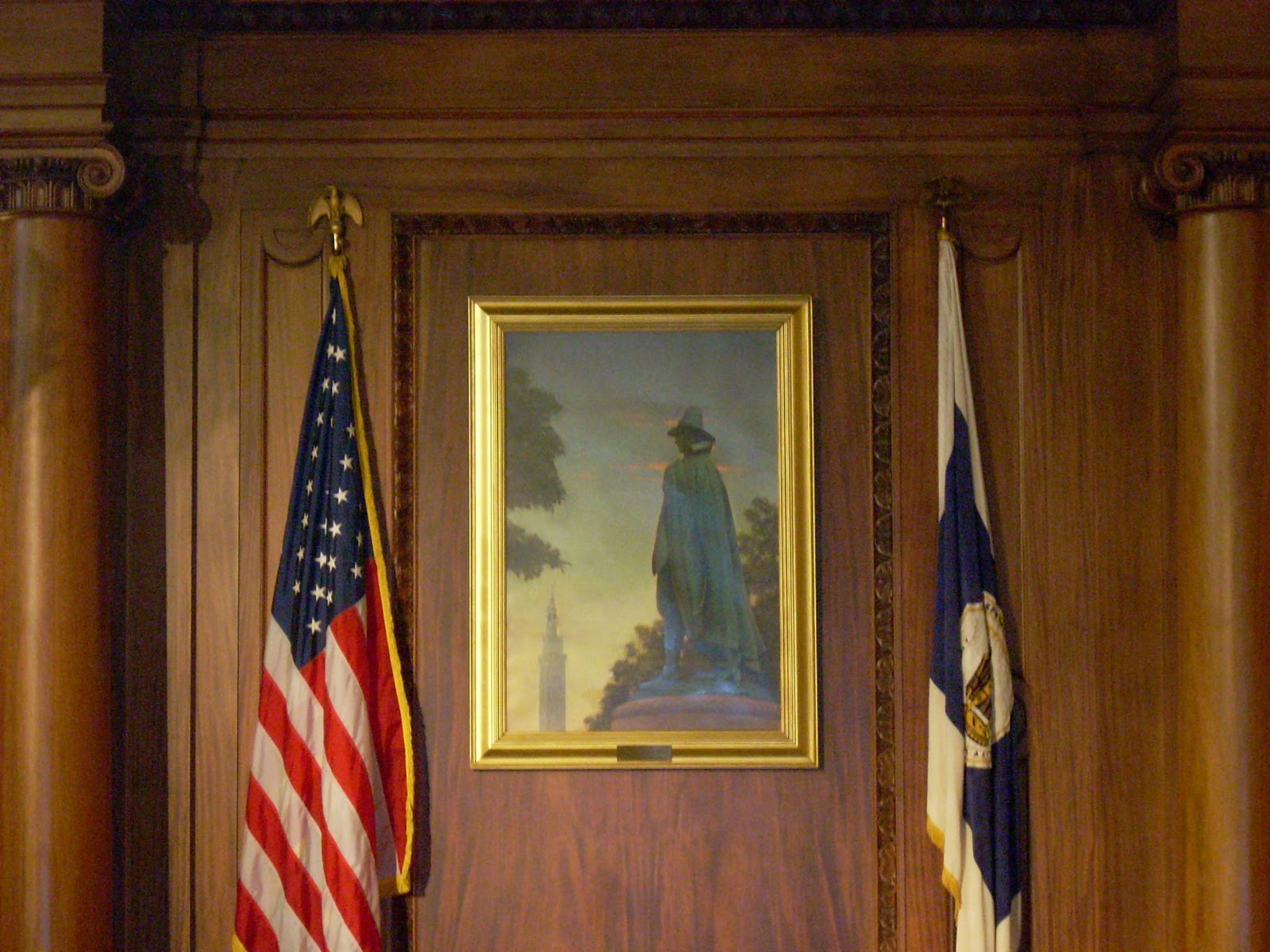
Three absent, but all attending were there (WMP&I)
At its June 15 outing, the Springfield City Council took a significant step toward curbing councilors’ remote participation at meetings. Formally, the item was a resolution and not a rule change. Therefore, the body did not bind its members. Yet, the push, which Ward 7 Councilor Gerry Martin initiated, marks an attitude shift for the body, which was among the last to return to any in-person operations.
The meeting also suggested that Council President Tracye Whitfield’s troubles are not gone either. She did not attend this meeting. Council Veep Jose Delgado presided. The issue that ensnared her earlier this year made another appearance, forcing the Council to refer the matter back to the Clerk on the advice of the city solicitor.
In addition to Whitfield, Councilors Malo Brown and Maria Perez were absent from the June 15 meeting.
The meeting opened with committee reports. The Council heard updates from the Finance, Health & Human Services, Maintenance & Development and Public Safety Committees.
Next, the body voted on a resolution backing legislation regarding rent stabilization. Former city councilor and current state senator Adam Gomez appeared in the chamber to back bills that would allow for rent control. The legislation would allow for more limited controls on rent increases than the pending ballot questions on the subject. Councilors backed the resolution unanimously.
There were a pair of items pertaining to the upcoming primary on September 1. The first was the writ of election, which formally authorizes the election to occur. The second was an authorization to use electronic poll books for that election.
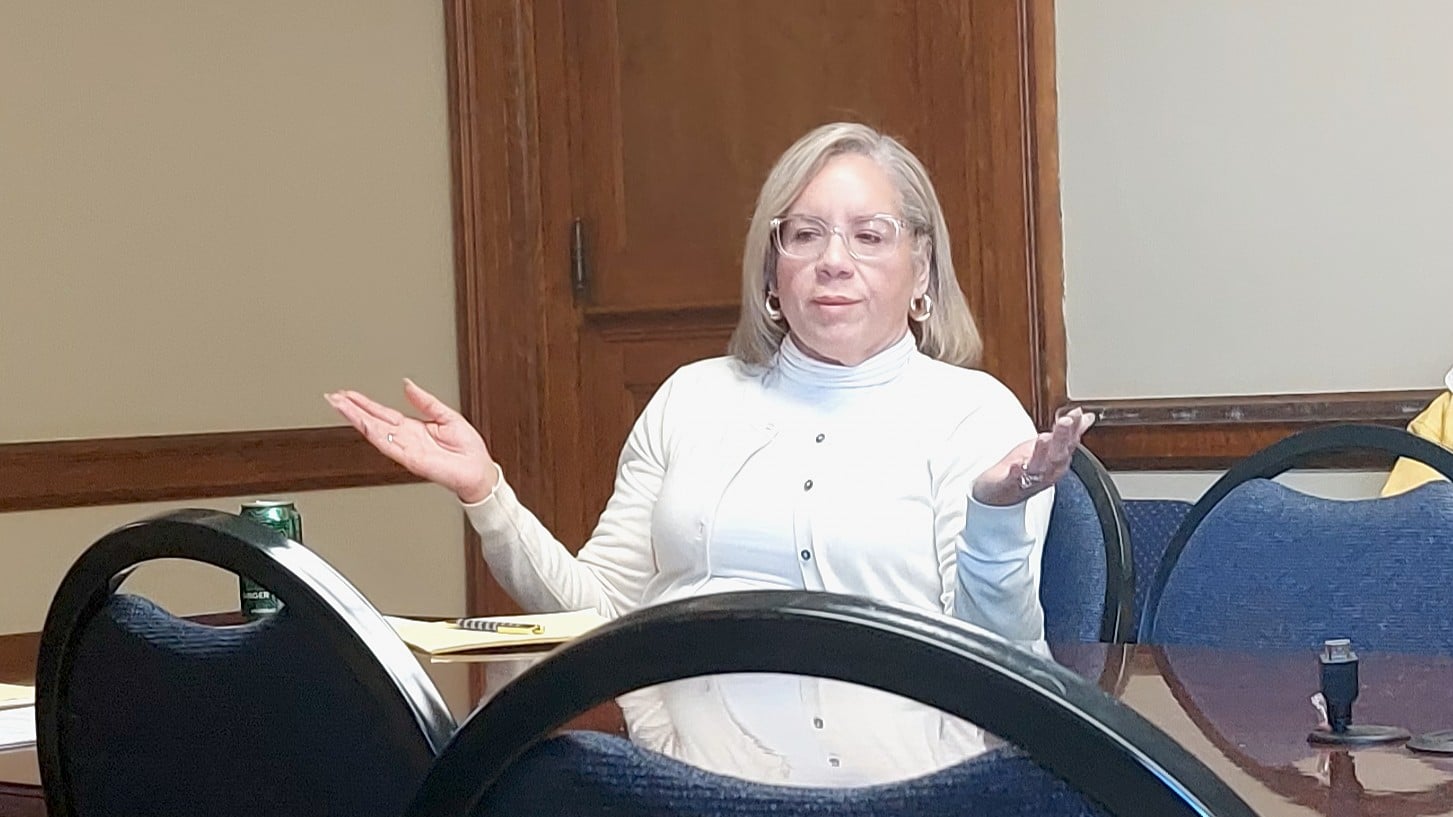
Clerk Oyola-Lopez: Polling Books? It’s electric! (via Reminder Publications)
City Clerk Gladys Oyola-Lopez, who is also the director of the city Election Commission explained that technology has played a greater role at polling sites since the pandemic. The electronic poll books give election staff at individual polling places access to the entire city’s voter rolls. That way, individuals who go to the wrong precinct can be immediately directed to the right place. For voters at a specific polling place, a paper list will remain on hand.
The Council approved the request for electronic poll books without dissent. The writ itself went to committee on a motion from at-large Councilor Justin Hurst.
The body approved Eversource’s petitions for work on Ashland Avenue, Emma Lane and Liberty, Middles, Nathaniel and State streets. It also approved a sign for Berlin Street, which will honor Rev. Miles T. Crawford, Jr.
That brought the Council to the discontinuance of a portion of Wallace Street. This item had been approved earlier this year only for the Council to reverse itself after deeming Council President Whitfield’s participation improper. Whitfield had been an officer of JETS Property Development, the entity seeking the discontinuance. Whitfield later resigned her offices at JETS.
Procedurally, the item before the Council last week was the same approved and reversed before. For the discontinuance to receive approval properly, it would need to start from scratch.
Vice President Delgado did not dwell on the item and only announced the Law Department’s recommendation to return the item to the Clerk. Ward 6 Councilor Victor Davila, who had led the unsuccessful push to have Whitfield to resign the presidency, cited a new legal memo that suggested Whitfield violated ethics rules again by approving the agenda for this meeting.
“I will vote in favor of [returning the item to the clerk], but I want to put it on the record because this created a lot of commotion back in February and I’m not about to go through it again,” Davila said.

Whitfield was physically absent but present in other ways at the June 15 meeting.
(still via YouTube/Focus Springfield)
The memo alleges that a new ethical violation occurred when Whitfield approved the agenda. However, the memo’s emphasis is on the procedural posture of the discontinuance after the February 13 rescission of approval.
As for the ethical dimension, Whitfield told The Republican that Buoniconti had incorrectly attributed an email requesting action on the discontinuance to her son, Jelani Bland. Bland is an officer of JETS. State ethics law extends potential conflicts to those where a public official’s family has an interest. Buoniconti appeared to concede an error according to The Republican.
The vote to return the item to the Clerk was 9-1 with at-large Councilor Brian Santaniello in dissent.
The Council approved small donations to the Library unanimously. It also approved state grants for consumer protection, homelessness and 911 training and preparedness. The consumer protection grant was $135,000; the homelessness grant is $934,419 and the 911 grants were for $213,031 and $1,125,816. The approvals were unanimous, although Vice President Delgado recused himself because he works for the Executive Office of Public Safety & Security.
The Council approved a slight reversal to the redirection of bond proceeds from last meeting. Councilors also greenlighted utility easement NSTAR/Eversource at Hiram Dorman Elementary School.
Two weeks after approving significant transfers to cover workers compensation expenses, the Council confronted another $75,000 transfer request for that account. There were questions, but it passed. Councilors briefly debated an order moving the remainder of free cash to the stabilization reserve fund. The discussion mostly centered on prioritizing future free cash for reductions to property taxes. The transfer passed 8-2. Councilors Davila and Hurst opposed the item.
The last financial transfer was to move $1,320,334 earmarked for current projects from the current fiscal year to the multi-year capital account. It passed unanimously.
Councilor Hurst filed a resolution supporting fare-free bus service. This arose after Mayor Domenic Sarno called for the end of fare-free bus service in response to a public disturbance at Union Station. Hurst and members of the city’s state legislative delegation blasted Sarno’s demand.
Whether because of that criticism or not, Sarno did not call for the elimination of free fares in a letter to the Pioneer Valley Transit Authority. Hurst noted the mayor’s reversal and said the resolution called on the legislature to continue the program.
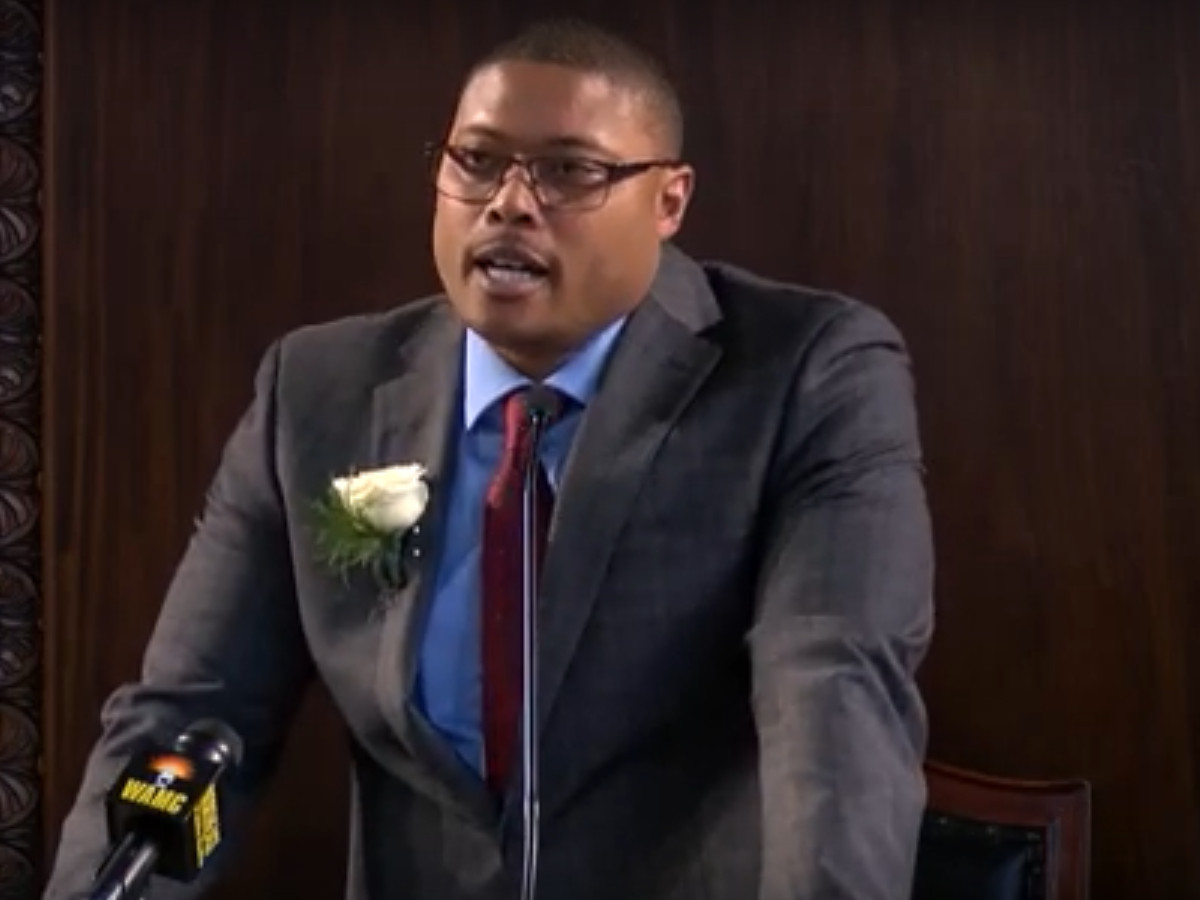
Hurst in 2020. (Still via Focus Springfield)
“This particular resolution just reiterates this body’s support for fare free transportation and, in my opinion, sends a strong message to the legislature that we would like to see this fully funded,” he said.
The resolution passed without opposition.-
The Council’s approval of the in-person attendance resolution came after some procedural debate. Councilor Martin’s in-person attendance resolution had been refiled rather than referred out of committee. It had a hearing in the General Government Committee, which Hurst chairs, but had not received a formal recommendation. Consequently, Hurst moved to place that item—and another the Council would ultimately not hear—at the end of the agenda.
Martin presented the item and noted changes he had made in consultation with other councilors. The new version only applies to regular and hearing meetings. It does not apply to the committees meeting nor to special meetings of the full Council. It also changed wording about Zoom use and to ensures councilors’ privacy when they cannot attend in person.
At-large Councilor Kateri Walsh, who had opposed the resolution before, restated her opposition to the motion. She noted that the Council had embraced technology for the polling books just that night.
“We’re embracing technology. Zoom is a tool of modern technology and technology has become part of the everyday world in all kinds of businesses all over the state, and the city and the country,” she said.
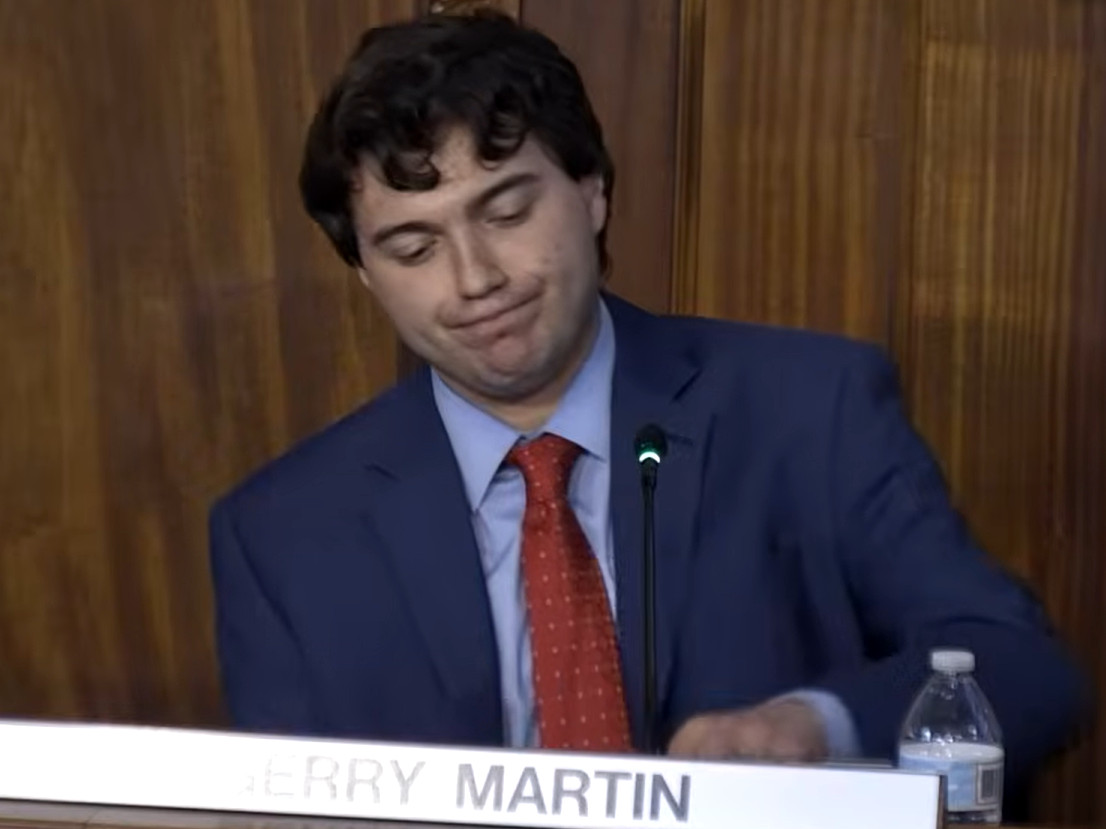
Shorter Martin: Dunno, we made it work before. (still via YouTube/Focus Springfield)
Limiting the use of remote participation does not take into consideration the things that come up in life, Walsh continued.
Others backed up Martin. Councilor Santaniello, who had also opposed the measure before, cautioned that the legislature may not renew the current remote protocols next year, mooting this debate. Ward 5 Councilor Lavar Click-Bruce, who had supported the measure before, queried Martin whether he was proposing the elimination virtual attendance. He was not.
“I want to reiterate Councilwoman Walsh’s point. It is a tool,” Martin said. “What I’m advocating for is not the excessive use and unnecessary use of that tool. It can be used in certain circumstances which are outlined.”
Martin noted that he had incorporated suggestions for exceptions but also observed that the Council had functioned for years without virtual participation as an option.
The resolution passed 8-2. Councilors Hurst and Walsh dissented.
The change is not actually self-executing. Council Presidents would implement it. Whitfield had opposed the resolution last month. Martin has said in interviews he might pursue a rules change down the line.
(WMP&I)
However, that is for another day. What seems true is the body has taken another step away from virtual operations, at least for members. As with the lengthy period of fully-virtual proceedings, this situation has occurred because the legislature has punted permanent rules for virtual meetings. The Springfield City Council can set its own policy, but some debate will inevitably continue until Beacon Hill set a new, permanent floor on the matter.