Moss, Sarno & Springfield Head Back to Court for Post-Judgment Motions…
UPDATED 12/23/25 1:20PM: To reflect updates to the docket as to who heard the motions.
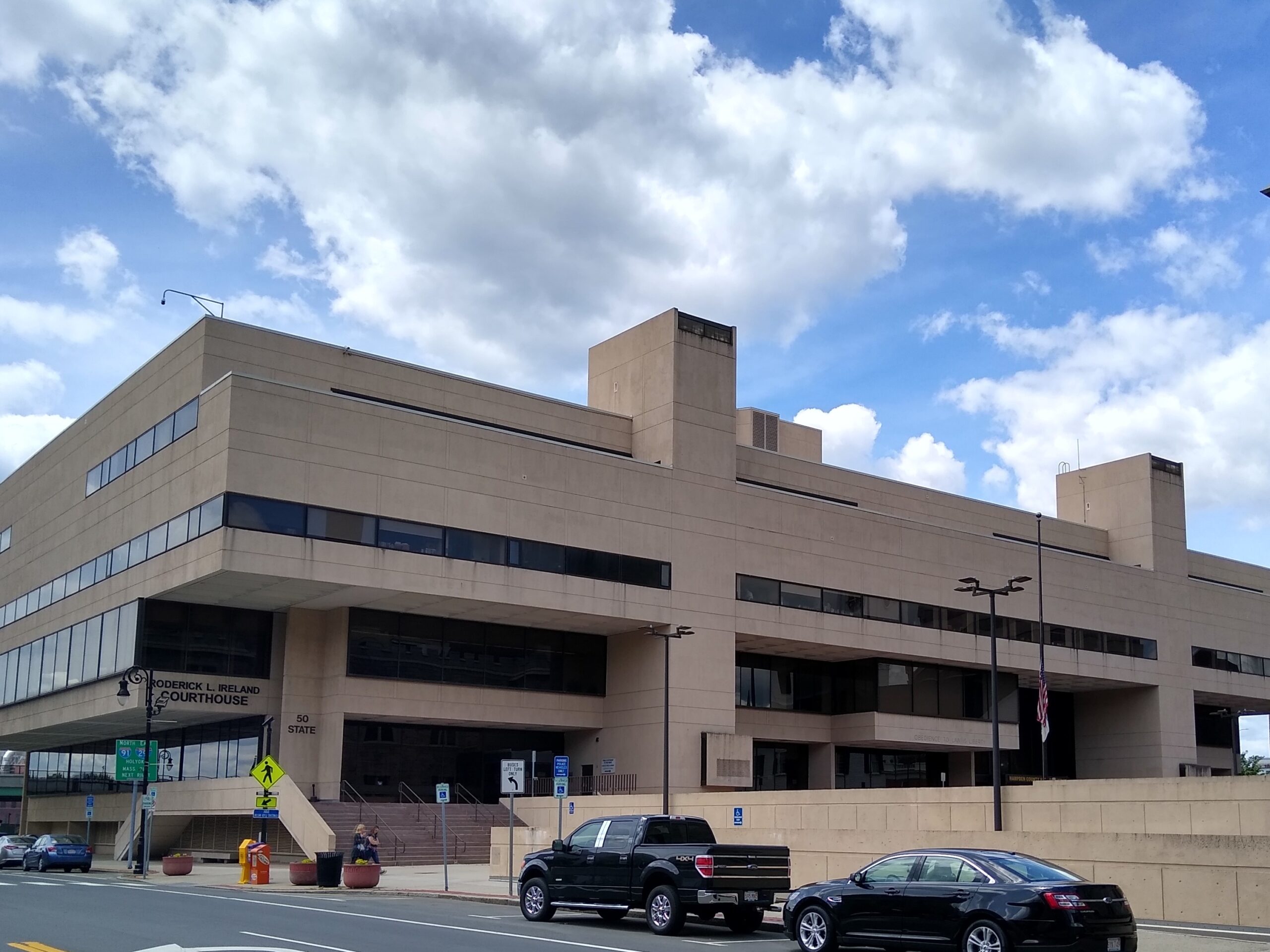
A superior return for Moss & Company? We’ll see. (WMP&I)
A jury found Mayor Domenic Sarno and the City of Springfield illegally retaliated against former mayoral aide Darryl Moss last month. However, the case is far from over. In fact, it has not even reached the appellate phase. Both sides have entered a flurry of filings from everything to attorneys’ fees to motions to overturn the jury’s verdict.
On November 7, a jury awarded Moss $750,000 for the sole claim they found he had proven: retaliation. The one-time aide to Sarno had alleged racial discrimination was behind his termination. The jury only agreed that termination was unlawful to the extent it punished him for engaging in protected activity. Shortly after the verdict came back, Moss moved to recoup $489,741 in attorneys’ fees.
“This case was professionally litigated and counsel avoided duplication and overlapping of tasks between and among the two counsel,” Moss’s attorneys wrote in a filing.
Two Boston attorneys, Robert Johnson and Eddie Jenkins represented Moss. Johnson handled much of the case and dating back to the beginning of the suit in July 2022. Jenkins signed on this past October ahead of trial.
“There can be little dispute that the amount of counsel fees incurred by Johnson and Jenkins was justified and reasonable,” the memorandum continues.
The motion also seeks $3,386 and 12% interest from the date of judgment. If successful, it would push the cost of Moss’s firing to well over $1 million.
The defendants obviously disagree. Plus, earlier this month the attorneys for the city and Sarno moved to essentially overturn the jury verdict. Among the motions was one to find for the city and the mayor notwithstanding the verdict. Another motion calls for a new trial. There is also a motion to correct the judgment that would have the effect of reducing the award Moss received.
Deputy City Solicitor Lisa DeSousa and outside counsel Patricia Rapinchuk defended the city.
Moss’s attorneys declined to comment. Counsel for the city did not respond to an opportunity to comment.
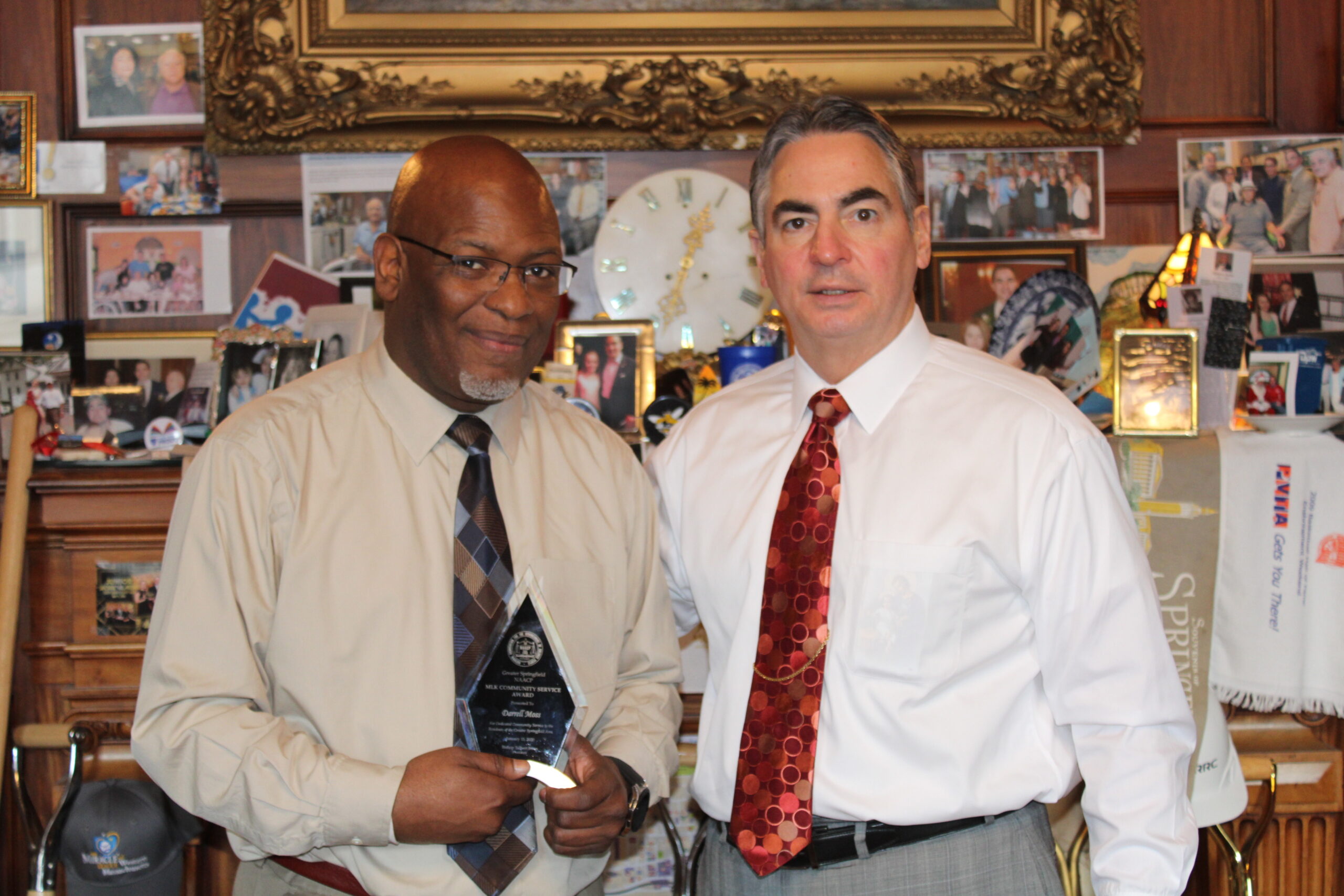
Moss and Sarno back in the day. (via Springfield City Hall)
The judgment notwithstanding the verdict motion rests primarily on the claim that Moss had not undertaken any protected activity. In essence, the defense argues Moss’s advocacy after the fracas involving off-duty police near Nathan Bill’s Bar & Restaurant, his support for a constituent allegedly facing discrimination and the press conference in his own defense the day before he was terminated were not “protected activity” within the meaning of state anti-discrimination law.
“None of these activities are ‘protected activities’ under the state or federal employment discrimination statutes,” the defense writes. “Plaintiff may argue that he participated in some of these activities in his capacity as an employee of the City, but protesting racism, discrimination and police brutality against black people, even if done in the course of one’s employment, does not make these practices proscribed” under state employment discrimination law.
The filing also suggests that the issue of retaliation had been tainted because First Amendment rights came up often. Moss had alleged the city violated his free speech rights. However, the court dismissed that claim long ago.
The motion for a new trial builds on the notwithstanding motion. It also alleges Moss’s counsel had repeatedly raised arguments and evidence, including testimony, improperly.
Specifically, the motion pans the introduction of at-large City Council Tracye Whitfield’s testimony as “highly prejudicial, irrelevant and explosive,” particularly her comments on police discipline. It also generally alleges that Whitfield’s testimony was irrelevant and that she was not qualified to testify about certain matters.
To dispute the attorneys’ fees request, the city and Sarno argue the proposed hourly rates ($795 for Johnson; $595 for Jenkins) are excessive. In essence, the defense suggest that rates under $500 would be more in line for discrimination cases in Western Massachusetts.
The city also argues that Attorney Johnson’s performance—an element the court assesses for attorneys’ fees motions—did not merit the amounts he sought. The opposition memorandum states that Johnson’s bills include work on Moss’s case at the Massachusetts Commission Against Discrimination. It also counts claims that were not successful. The city asserts that court rules do not allow fees for these claims.
To oppose the defense’s motion for judgment notwithstanding the verdict, Moss’s attorneys argue that in fact his activities were all about employment. This appears to be on firmest grounds when plaintiff’s counsel focuses on Moss’s objections to favorable treatment some cops received. However, the motion also tries to bring in the rally for Moss by arguing Sarno had approved it.
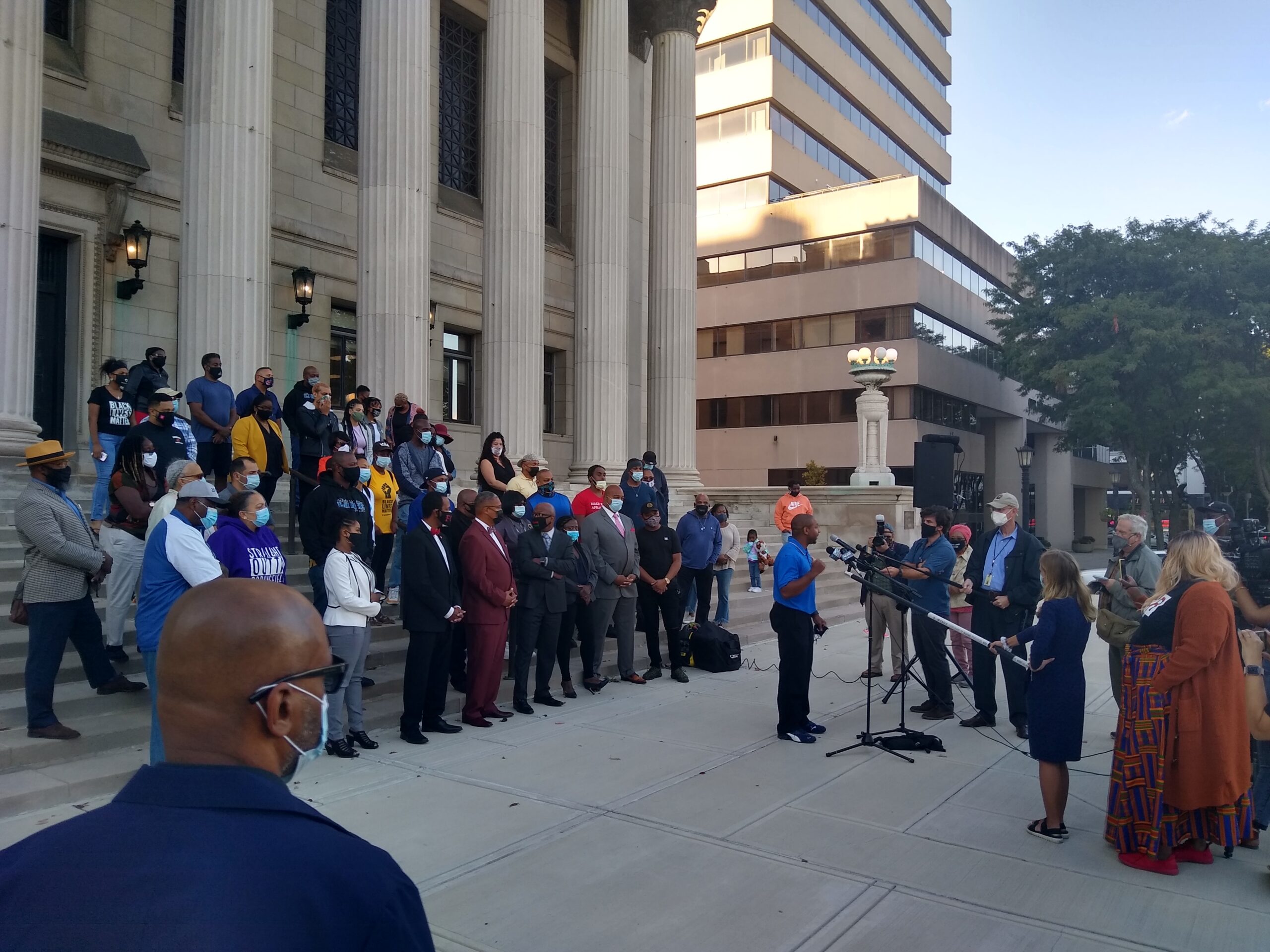
The rally held for Moss the day before Sarno canned him is a pivotal piece of his case. But does it count, legally speaking? (WMP&I)
In its reply, the city states Moss’s opposition to the cops’ lighter treatment does not cut it.
“Simply making a complaint about or opposing discrimination in one’s capacity as an employee is not enough to constitute a protected activity under discrimination law,” defense counsel writes.
Throughout its memos, the defense suggests that, at best, Moss’s complaints about the Nathan Bill’s incident concerned discipline for excessive force. That is not related to employment discrimination and therefore any retaliation over it would not count.
Counsel for Moss offers a much beefier response to the motion for a new trial. Over several pages, the opposition to a new trial argues that Moss did present a prima facie case for retaliation. The memorandum does address Whitfield’s testimony. However, it focuses on areas of agreement with the defense and implies her testimony did not change the outcome. It also claims the defense did not cross-examine her on statements it later found objectionable.
As for alleged misconduct on the part of Johnson, the memo opposing a new trial observes the defense made many objections and the court issued instructions accordingly.
“While plaintiff does not concede that its counsel engaged in misconduct, none of the alleged misconducts resulted in a miscarriage of justice,” Moss’s counsel argues. The memo notes that the judge reminded the jury opening and closing statements—which seemingly troubled defense counsel most—were not evidence.
“Defendants have produced no evidence that the jury was influenced by the alleged misconduct or that a likelihood of miscarriage of justice would exist if the verdict stands,” Moss’s attorney continues.
The city and Sarno, in a reply memo, allege Moss’s opposition to a new trial misstated evidence and the law.
Moss’s opposition to the motions for judgment notwithstanding the verdict and a new trial note transcript problems. Specifically, due to audio issues, there is no complete record of all parties and attorneys’ statements at trial. Many missing parts of from sidebar conversations. This could complicate the city’s efforts to reverse the verdict to the extent the defense’s motions turn on events on the record.
Such an incomplete record makes such motions difficult if not impossible to win, Moss’s counsel argues. Defense counsel asserts it followed all court rules.
Judge Jeremy Bucci presided over the trial last month. However, the court docket indicates Judge David Hodge was listed as hearing at least some of the motions this Wednesday. However, an updated docket states Bucci heard the motions. It could be days or weeks before a ruling.