DC Judge Squelches Springfield Suit to Recover EPA Funds (for Now)…
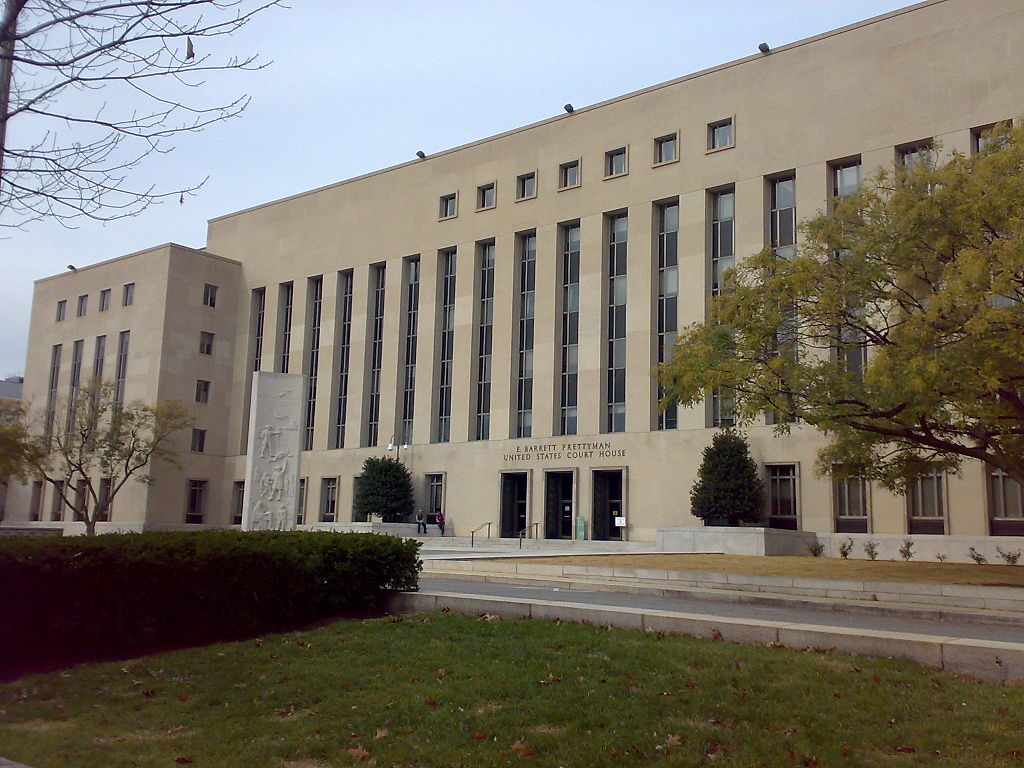
It’s not looking pretty at the Prettyman Courthouse where Judge Leon presides. (via wikipedia)
On August 29 Judge Richard Leon dealt a blow to the efforts of Springfield and other municipalities to recover billions Donald Trump’s Environmental Protection Agency illegally rescinded. As had seemed likely after a Supreme Court ruling days before, Leon found that he lacked jurisdiction over the claims and therefore dismissed the case.
Earlier this year, the EPA essentially refused to disburse billions in the Environmental and Climate Justice Block Grants (ECJBG). Congress created the program in the Inflation Reduction Act (IRA). The EPA said the grants were no longer administration priorities. This tramples on Congress’s power to create the program. However, in a split ruling, the Supreme Court indicated such suits belong in the Court of Federal Claims (CFC). Judge Leon, who sits in Washington, followed their lead.
“Unfortunately for the plaintiffs, I have concluded that their claims warrant dismissal,” he wrote. “I do not have jurisdiction over the plaintiffs’ [Administrative Procedure Act] claims under the Tucker Act,, and plaintiffs injunctive relief is incompatible wit the Government’s sovereign immunity.”
The Tucker Act is a law that lays out recovery for contract claims against the feds. In a ruling on health research funding, the Supreme Court—via Justice Amy Coney Barrett’s controlling concurrence—said claims arising from agency actions on grants were contracts. Therefore, they must be litigated in the CFC.
The plaintiffs had also made Constitutional claims, but Leon did not find those persuasive.
Springfield and several other municipalities including Sacramento and Kalamazoo, Michigan had joined a class action lawsuit alongside a few nonprofits. Among those nonprofits is Appalachian Voices, which is the lead plaintiff. The municipalities were represented by the Public Rights Project (PRP), a legal group that represents municipalities litigating on behalf of their residents’ rights.
Jill Habig, PRP’s founder and CEO called the ruling “a major setback” for communities and their critical environmental projects.
“The court allows the federal government to continue freezing funding for climate resilience, delaying justice for hundreds of grantees,” she said in a release. “But this fight is far from over. We remain committed to ensuring these taxpayer dollars go back to cities, counties and Tribes.”
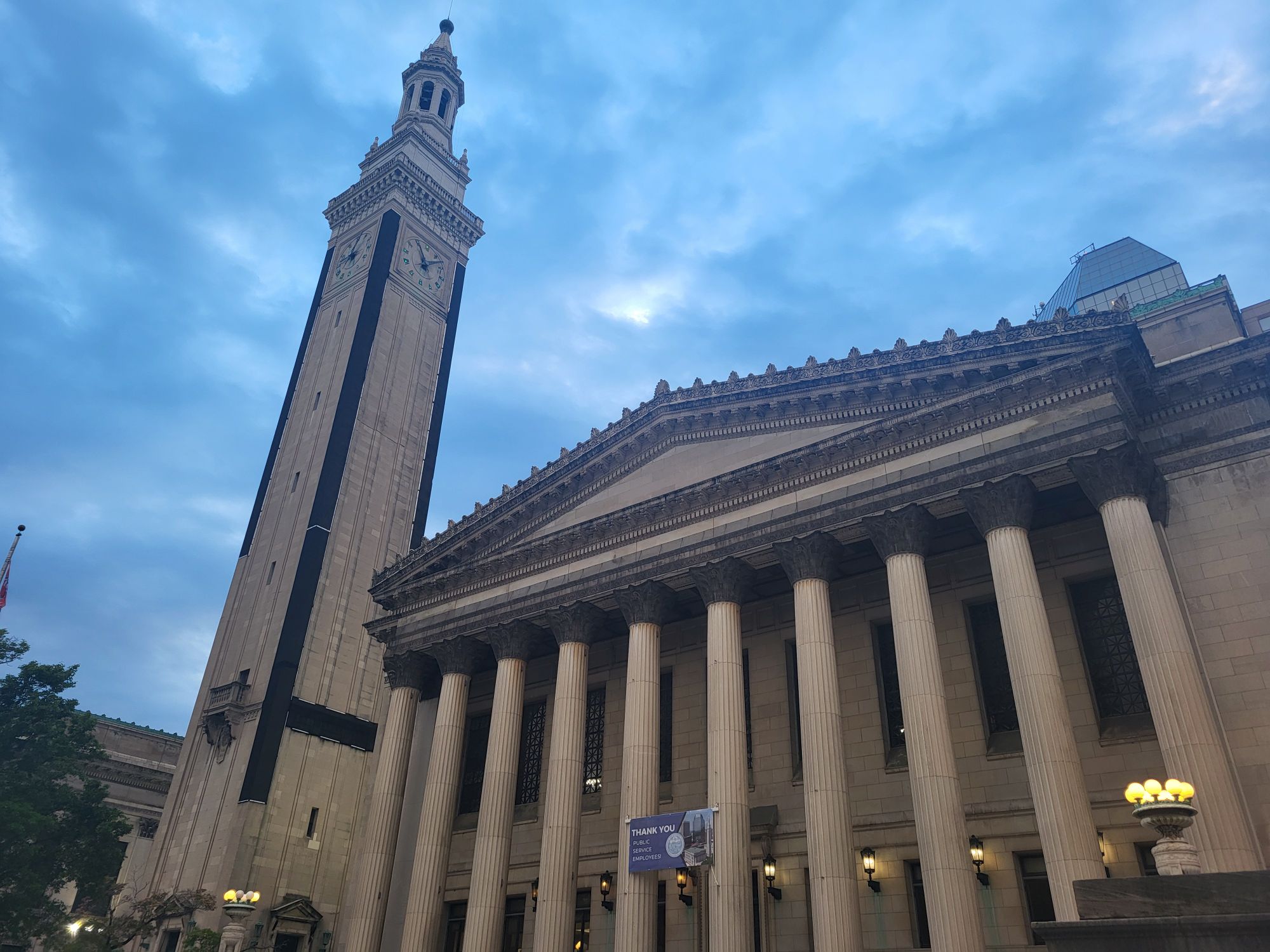
Breathing clean(er) air in Springfield is woke now!?!? (WMP&I)
Springfield received $20 million under the ECJBG program last year. The funding would, among other things, pay for energy efficiency projects for the city and residents, an intersection reconstruction and tree-planting. As the declaration from the city noted, Springfield and some partners had already inked contracts.
Springfield City Solicitor Stephen Buoniconti told WMP&I the city was “very disappointed” in the ruling. However, like PRP, he indicated that Springfield would press on given what was at stake.
“Springfield was the only City in the State to receive the grant and a bulk of the grant was going to reduce rates of asthma and lead exposure,” Buoniconti emailed. “The Court decision is a major loss for the residents of the City and the region. The City is now exploring an appeal of the Court’s decision.”
Senator Ed Markey has spearheaded climate action for years including the funding sections of the IRA. He called the termination of the program “wrong in every way” from ignoring Congress’s directive to attacking public health. The senator underscored that the funding intended to improve the environment on behalf of residents in many ways.
“This grant for Springfield was intended to help its residents breathe clean air, live in healthy housing, plant new trees, and invest in job training for good-paying HVAC jobs,” he said in a statement. “By working to cut $20 million in grant funding for these efforts, the Trump administration is standing on the side of dirty air and pollution, killing American jobs, and leaving Americans without healthy homes to live in. “
Like Buoniconti, Markey indicated the fight was not over.

No roar from Leon except on jurisdiction (via Wikipedia)
The suit had sought to overturn the EPA’s actions and restore funding to the program. The feds had argued that Congress had rescinded the funds in its tax legislation passed earlier this year. The plaintiffs said the bill did not apply to so-called obligated funds in the ECJBG program. Leon never reached this question because he found he did not have jurisdiction.
While Barrett’s opinion loomed large, Leon also indicated that other theories under the APA were not available under precedent in the Circuit for the District of Columbia, which oversees the District Court for Washington, D.C. Furthermore, as expected, he distinguished the program as somewhat more discretionary compared to Congressionally-mandated funding the administration had also withheld.
As for the Constitutional claims, Leon said the plaintiffs were merely seeking to turn statutory claims—which go to the CFC—into a Constitutional ones.
“Turning next to the constitutional claims, plaintiffs’ attempt to package their challenge to EPA’s grant terminations as constitutional violations does not alter the Court’s conclusion that the Court of Federal Claims has exclusive jurisdiction here,” Leon said in his opinion.
Based on PRP and Buoniconti’s comments, the plaintiffs clearly think there may be some hope on appeal. The Supreme Court’s earlier ruling did not touch on claims outside the APA. The Constitutional claims may still have a path. Leon also alluded to alternative theories under the APA, even if he rejected them himself.
Any appeal would go to the Appeals Court for the D.C. Circuit. The majority of its judges are Democratic appointees. Yet, the Supreme Court has suspiciously granted every emergency application Trump’s lawyer have presented since April.
Going to the CFC could result in a long process that would delay projects. Complicating that route further, the ECJGB has tight timelines. It may not be possible to wait for a CFC ruling if deadlines would still bear down on the recipients.